 31
мая,2026
31
мая,2026
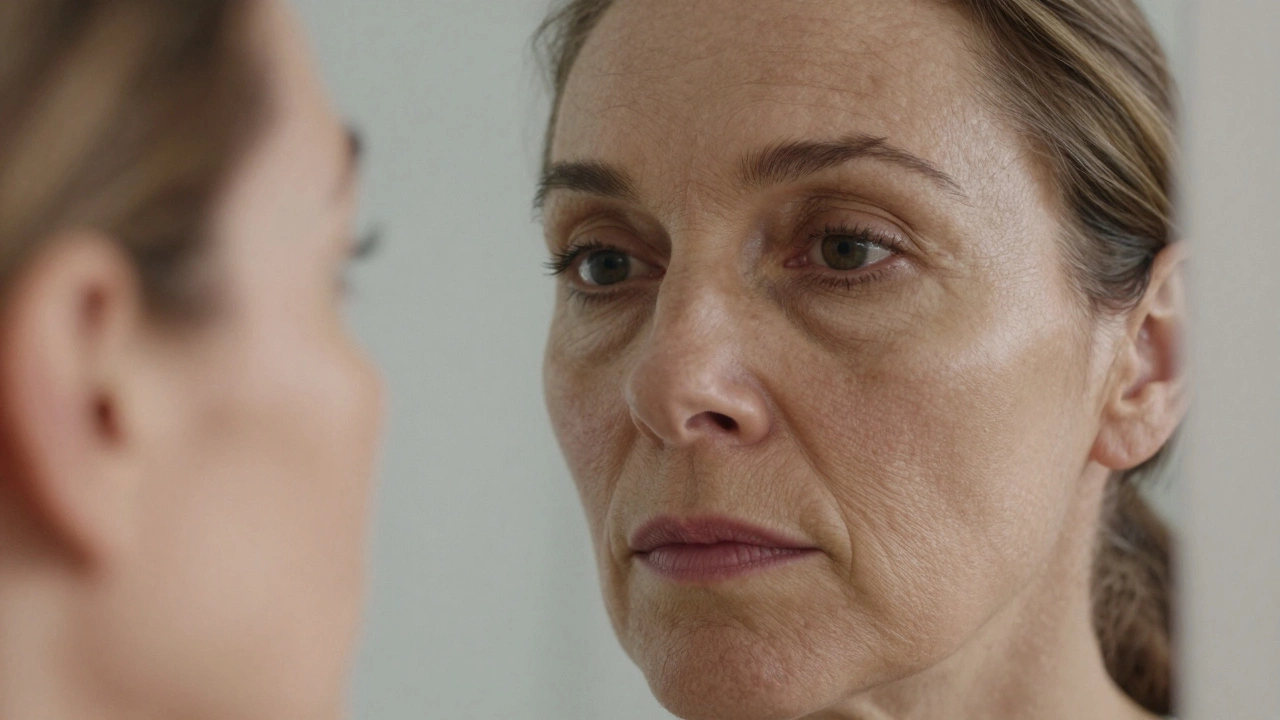
В пятьдесят кожа меняет правила игры. То, что работало в тридцать или сорок, может не дать результата или даже навредить. Кollagen production drops significantly, skin becomes thinner, and gravity starts winning the battle against elasticity. You look in the mirror and see deeper nasolabial folds, sagging jawline, and dry patches that no amount of cream seems to fix. The question isn't just "what injections should I get?" but rather "how do I restore structure without looking like a different person?"
This article cuts through the marketing noise. We will discuss specific injection protocols for mature skin over 50, distinguishing between treatments that add volume, those that lift, and those that improve texture. You will learn which combinations work best, what risks are higher at this age, and how to avoid the 'overfilled' look that plagues many cosmetic procedures today.
Почему кожа после 50 требует другого подхода?
Before picking a syringe, you need to understand the biology. By age 50, most women have gone through menopause. Estrogen levels drop, leading to a rapid loss of collagen (up to 30% in the first five years post-menopause) and hyaluronic acid. The skin doesn't just wrinkle; it thins and loses its structural support. Fat pads in the face shift downward or shrink entirely.
Treating 50-year-old skin like 30-year-old skin is a recipe for disaster. If you inject lightweight hydrating fillers into thin, lax skin, they may migrate or create an unnatural shine. Instead, the focus shifts from simple hydration to structural restoration. We need products that can hold their shape, stimulate your own tissue regeneration, and respect the reduced elasticity of mature skin.
Топ-4 инъекционных метода для возраста 50+
Not all injections are created equal. Here are the four main categories that deliver real results for mature faces, ranked by their primary function.
- Bio-revitalization with Cross-linked Hyaluronic Acid: Unlike standard mesotherapy, bio-revitalization uses more stable hyaluronic acid molecules. It improves skin density and hydration from within. For 50+, look for products with high molecular weight HA to ensure longevity.
- Biostimulation (Polynucleotides/PLLA/PCL): These are not fillers. They are stimulants. Polynucleotides (like NCTF or AestheFill) repair DNA damage and boost collagen production. Poly-L-lactic acid (Sculptra) stimulates your body to produce new collagen over months. This is crucial for thinning skin.
- Volumetric Fillers (Hyaluronic Acid Gels): Used for restoring lost volume in cheeks, temples, and lips. At 50+, you need firmer gels (high G-prime) that won't spread out due to gravity. Soft fillers often fail here.
- Neuromodulators (Botulinum Toxin): Botox/Dysport relax muscles to smooth dynamic wrinkles (forehead, crow's feet). In mature skin, less is often more. Over-relaxing muscles can make the face look heavy or sad.
Биоревитализация и Биостимуляция: В чем разница и что выбрать?
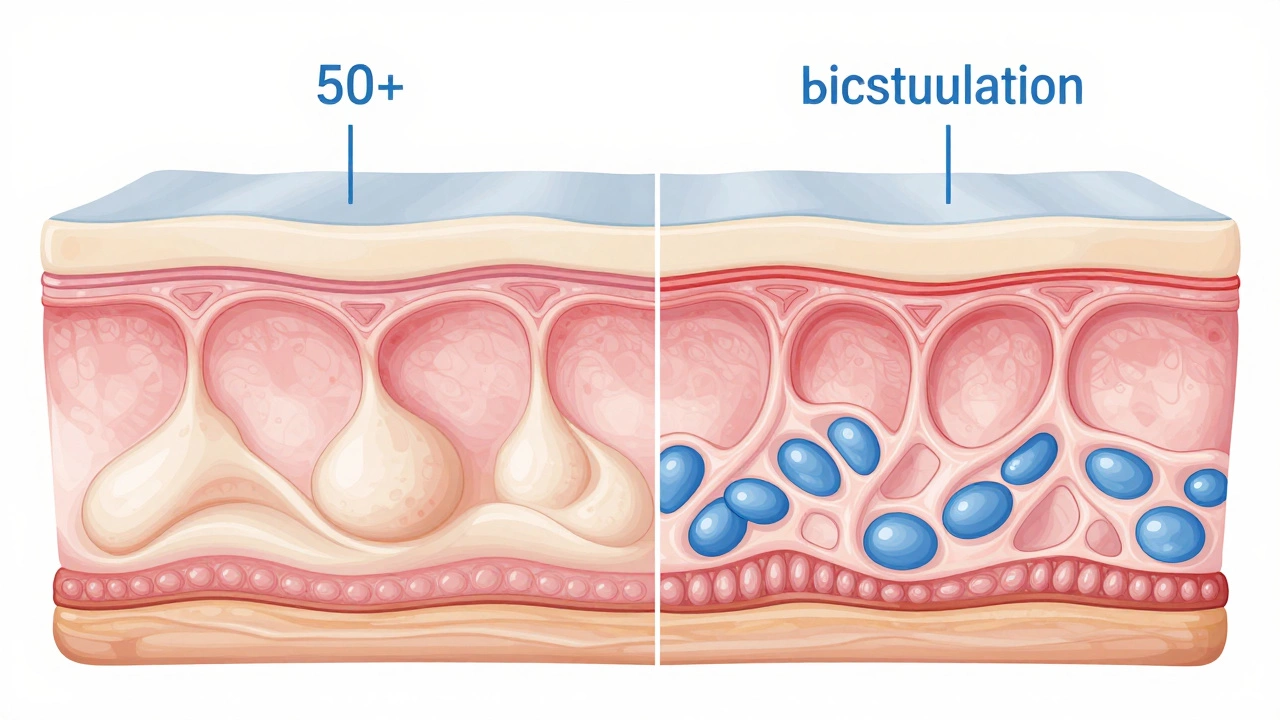
These two terms are often confused, but they serve different purposes. Understanding the difference saves you money and ensures better results.
| Критерий | Биоревитализация | Биостимуляция |
|---|---|---|
| Основной компонент | Гиалуроновая кислота (не сетчатая) | Полинуклеотиды, PLLA, PCL |
| Главная цель | Глубокое увлажнение, сияние | Выработка собственного коллагена, уплотнение |
| Эффект виден через | 1-2 недели | 1-3 месяца (накопительный эффект) |
| Длительность результата | 3-6 месяцев | 12-24 месяца |
| Подходит ли для дряблой кожи? | Слабо помогает при птозе | Да, улучшает плотность и упругость |
For a 50-year-old patient with thin, papery skin, biostimulation is often the superior choice. Products containing polynucleotides (derived from salmon DNA) help repair cellular damage and improve skin quality significantly. However, if your main complaint is extreme dryness and dullness, a course of bio-revitalization is a great starting point. Many experts recommend combining both: start with bio-revitalization to prep the skin, then switch to biostimulants for long-term remodeling.
Филлеры: Как вернуть объем, не став «каучуковой»?
Volume loss is the hallmark of aging after 50. Cheeks hollow out, temples flatten, and the jawline blurs. Hyaluronic acid (HA) fillers are the go-to solution, but technique matters more than the product itself.
The biggest mistake patients make is asking to "fill every wrinkle." Filling fine lines individually leads to a bloated appearance. Instead, skilled doctors use a structural approach. They place filler deep on the bone in the mid-face (cheekbones) and pre-jowl sulcus (below the jawline) to lift the soft tissues back up. This mimics natural anatomy.
Key tips for fillers after 50:
- Choose high-density gels: Look for brands like Restylane Lyft, Juvederm Voluma, or Teosyal Redensity II. These are designed for deep placement and longevity.
- Avoid the upper lip: As we age, the lower lip tends to thin, while the upper lip stays relatively stable. Adding volume to the upper lip can cause the "duck mouth" effect. Focus on the lower lip border instead.
- Less is more: Start with half a syringe. You can always add more later. Overfilling is hard to reverse and looks unnatural.
Ботокс в 50 лет: Риски и нюансы
Botulinum toxin (Botox, Dysport, Xeomin) works by blocking nerve signals to muscles. It’s excellent for forehead lines and crow’s feet. However, in mature skin, facial muscles are weaker, and skin is looser. Aggressive botox can lead to a "frozen" or droopy look.
Consider these adjustments:
- Micro-dosing: Use smaller doses spread over a wider area. This softens expressions without paralyzing muscles completely.
- Be careful with the glabella (between eyebrows): Over-treatment here can make eyes look sunken or tired. Preserve some movement for natural expression.
- Combination therapy: Botox alone won’t fix sagging skin. Combine it with fillers or energy-based devices (like ultrasound or RF) for a comprehensive lift.
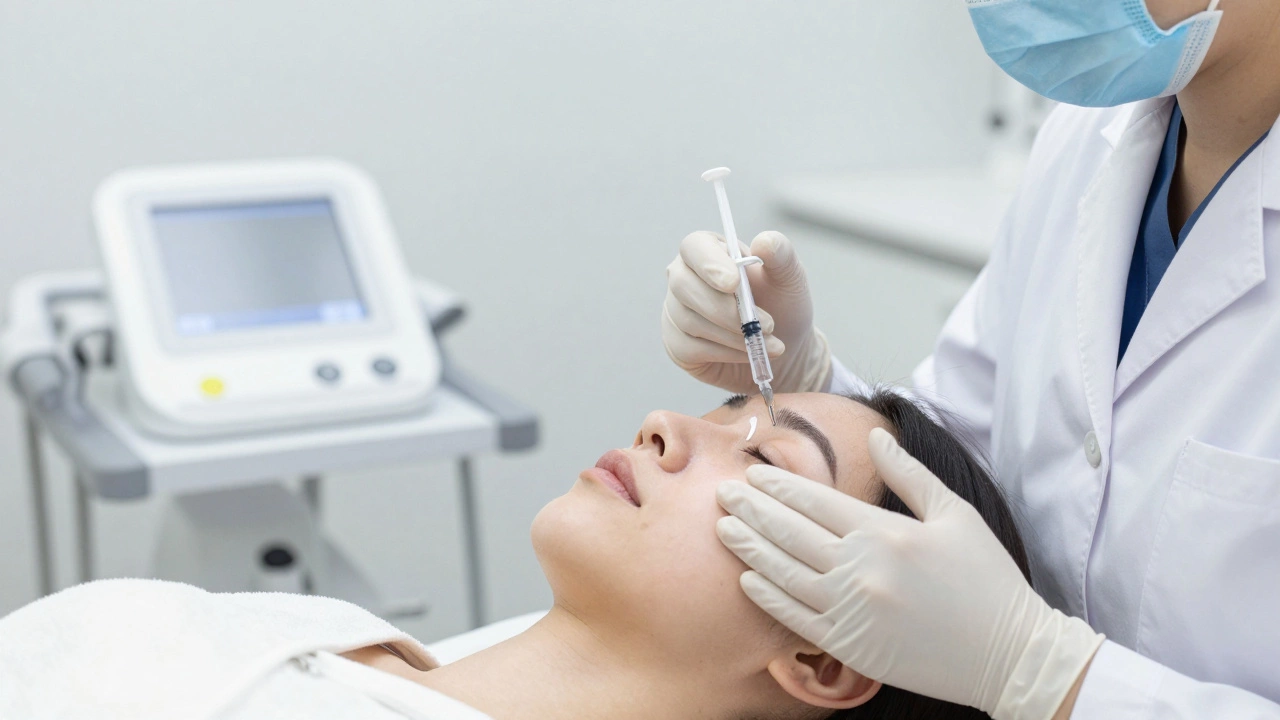
Риски и противопоказания для зрелой кожи
Age brings changes in blood circulation, healing speed, and medication use. Before booking any injection, review these critical points:
- Blood Thinners: If you take aspirin, warfarin, or other anticoagulants, bruising risk is high. Consult your doctor about pausing them (usually 5-7 days before procedure).
- Autoimmune Diseases: Conditions like lupus or rheumatoid arthritis can increase inflammation and complicate healing. Inform your cosmetologist.
- Hypertension: High blood pressure increases bleeding and bruising. Ensure your BP is controlled before treatment.
- Previous Scarring: Mature skin heals slower. Avoid injecting directly into old scars unless using specialized techniques.
Also, be wary of "cheap deals." Counterfeit fillers and botulinum toxins are prevalent. Always verify the product packaging and batch number. Legitimate clinics will show you the sealed box before opening it.
Комбинированный подход: Стратегия на год вперед
One-time injections rarely solve all problems. A strategic plan yields the best results. Here’s a sample annual protocol for a 50-year-old client:
- Month 1: Bio-revitalization session (to hydrate and prep skin).
- Month 2: Biostimulation (polynucleotides or PLLA) - first session.
- Month 4: Second biostimulation session + subtle Botox for forehead/crows feet.
- Month 6: Volumetric filler assessment. Add small amounts to cheeks/jawline if needed.
- Month 9: Maintenance bio-revitalization.
- Month 12: Re-evaluation. Repeat biostimulation if necessary.
This staggered approach allows your skin to adapt and regenerate naturally. It avoids overwhelming the tissue and reduces downtime.
Чего избегать после 50?
Some popular trends are better left behind:
- Lip Flip with Botox only: Often ineffective for significant volume loss. Better to use tiny amounts of filler.
- Aggressive Jawline Contouring: Creating a sharp V-line with fillers can look artificial if the neck skin is lax. Address neck laxity first.
- High-Dose Mesotherapy Alone: Standard mesotherapy vitamins penetrate poorly into thickened dermis. Upgrade to bio-revitalization or biostimulation.
Больно ли делать уколы красоты после 50?
Most modern fillers contain lidocaine (anesthetic), making injections comfortable. For sensitive areas, doctors apply topical numbing cream beforehand. Pain is usually described as mild pressure or stinging, not severe pain.
Как долго держатся результаты укола красоты в 50 лет?
It varies by product. Bio-revitalization lasts 3-6 months. Biostimulants can last 1-2 years. Volumetric fillers typically last 12-18 months. Botox effects fade in 3-4 months. Individual metabolism and lifestyle affect longevity.
Можно ли сочетать ботокс и филлеры одновременно?
Yes, this is a common and effective combination. Doctors often perform both in one session. Botox relaxes muscles above, while fillers restore volume below. Just ensure the injector has experience with combined protocols to avoid asymmetry.
Есть ли альтернативы уколам для ухода за кожей после 50?
Non-invasive options include radiofrequency (RF) microneedling, ultrasound therapy (Ultherapy), and laser resurfacing. These stimulate collagen without needles but require multiple sessions and have longer recovery times compared to some injections.
Когда лучше всего планировать процедуры?
Avoid scheduling injections right before important events due to potential swelling or bruising (lasts 3-7 days). Autumn and winter are ideal seasons for recovery, as UV exposure is lower, reducing pigmentation risks.